
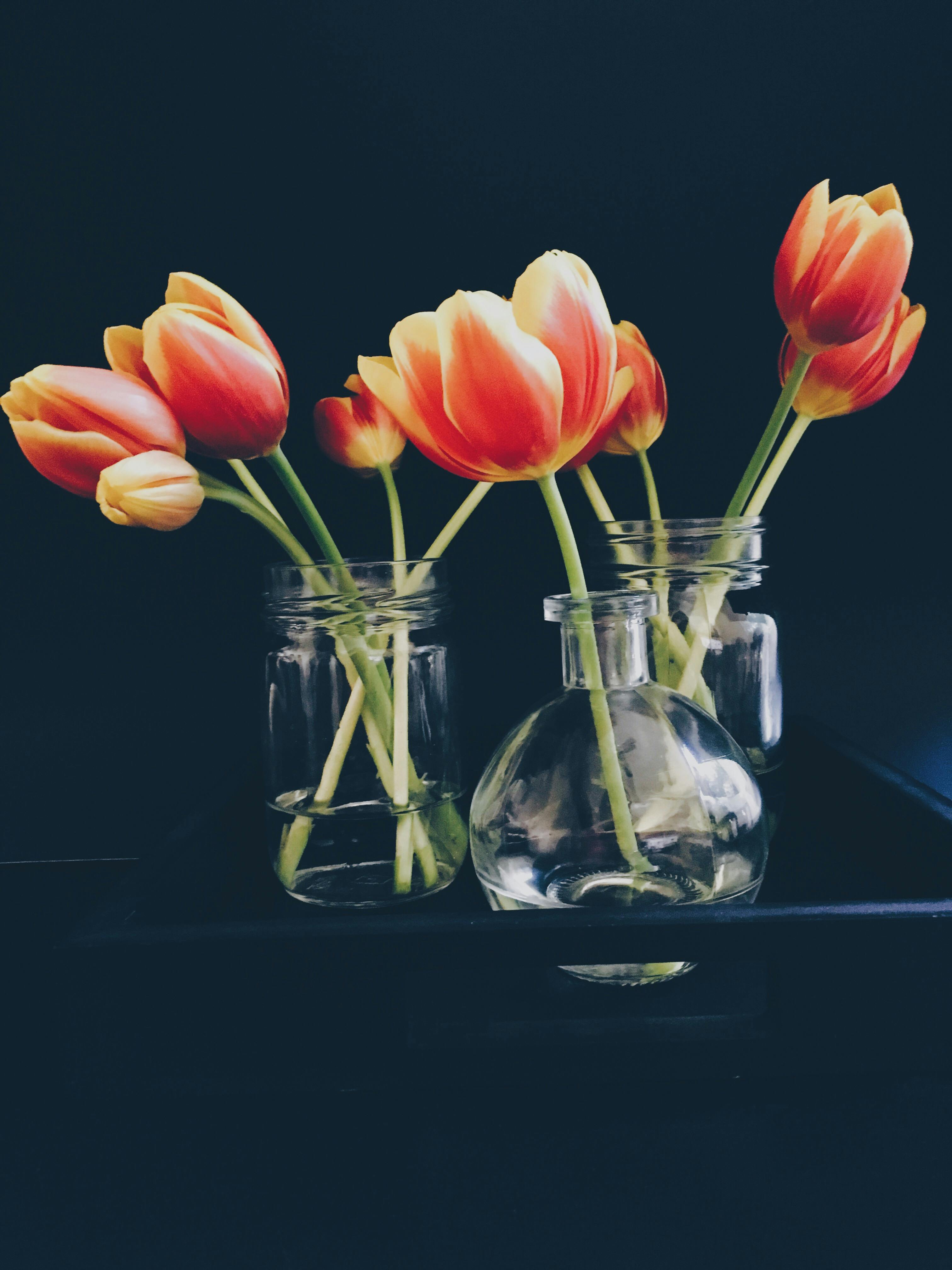
Flowers are the reproductive structures of flowering plants, known as angiosperms. They are essential for the survival of the species, as their primary function is to produce seeds for reproduction. Beyond their biological purpose, flowers have captivated humans for millennia with their incredible diversity in form, color, and scent, becoming powerful symbols in cultures around the world.
A typical flower consists of four main parts, or whorls, that are arranged on a modified stem called the receptacle. The outer whorls, the sepals and petals, are the non-reproductive parts. Sepals, often green and leaf-like, protect the flower bud. Petals, with their vibrant colors and alluring fragrances, serve to attract pollinators like bees, butterflies, and birds.
The reproductive parts lie within the petals. The male part is the stamen, which consists of the anther, where pollen is produced, and the filament that supports it. The female part is the pistil, made up of the stigma (a sticky surface that receives pollen), the style (a tube connecting the stigma to the ovary), and the ovary, which contains the ovules that become seeds after fertilization.
Flowers are much more than just beautiful ornaments. They play a vital role in our ecosystem, providing food for pollinators and contributing to the biodiversity of our planet. They have also been used for centuries to express emotions and convey messages, forming the basis of the "language of flowers" or floriography. From the passionate red rose to the cheerful sunflower, each bloom carries a unique meaning, allowing us to communicate feelings that words alone cannot express.